TAVR/TAVI
- Home
- TAVR/TAVI
Description
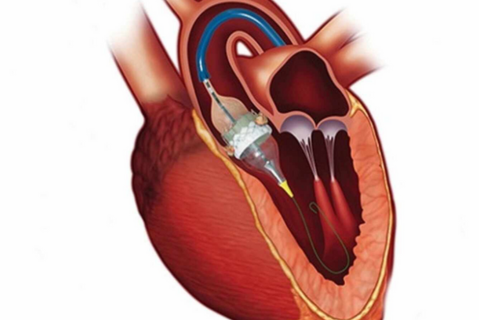
Transcatheter Aortic Valve Replacement (TAVR), also known as TAVI, is a minimally invasive procedure used to replace a diseased aortic valve. Unlike open heart surgery, it does not require opening the chest or stopping the heart.
A replacement valve made of metal mesh and biological tissue is delivered through a thin catheter and positioned within the existing valve. Once expanded, it immediately begins functioning and restores proper blood flow from the heart to the body.\
Heart Team Approach
TAVR provides an effective treatment option for patients with severe aortic valve disease who may not be suitable candidates for traditional open heart surgery.
- Minimally invasive procedure
- No need to stop the heart
- Shorter hospital stay
- Faster recovery time
- Suitable for high risk patients
Treatment Steps
Consultation
Comprehensive evaluation by the Heart Team including clinical assessment and diagnostic testing to determine suitability.
Procedure
The replacement valve is delivered through a catheter and deployed within the diseased aortic valve.
Recovery
Post procedure monitoring, medication optimisation, and structured follow up to ensure stable valve function and recovery.
Other Services
-
Advanced Valve Therapy
Expert evaluation and minimally invasive valve replacement for severe aortic stenosis.
FAQ
Frequently Asked Questions
We have addressed common questions related to aortic valve disease TAVR procedure eligibility safety recovery and follow up care to help patients make informed and confident treatment decisions.
TAVR is performed using strict evidence based protocols advanced imaging and multidisciplinary Heart Team assessment ensuring appropriate patient selection procedural safety optimal valve placement and improved long term cardiac function outcomes.
TAVR is recommended for patients with severe aortic stenosis who are high risk or unsuitable for open heart surgery following detailed clinical evaluation imaging studies and Heart Team review.
Most patients experience shorter recovery compared to open surgery with hospital stay typically brief and gradual return to normal activities under medical supervision and follow up care.
The replacement valve is delivered through a thin catheter commonly via the femoral artery though alternative access routes such as subclavian or direct aortic approaches may be used.
Yes once expanded within the diseased aortic valve the replacement device begins functioning immediately restoring forward blood flow and improving symptoms related to aortic stenosis.