Treatment for Mitralregurgitation
- Home
- Treatment for Mitralregurgitation
Description
Mitral Regurgitation (MR) occurs when the mitral valve does not close properly, causing blood to leak backward into the left atrium. While medications may help control symptoms, there is no definitive drug therapy to cure degenerative mitral regurgitation.
In cases where MR is secondary to left ventricular dilatation, optimisation of heart failure medications remains essential. For severe MR with persistent symptoms despite medical therapy, procedural intervention may be required.
Treatment Options
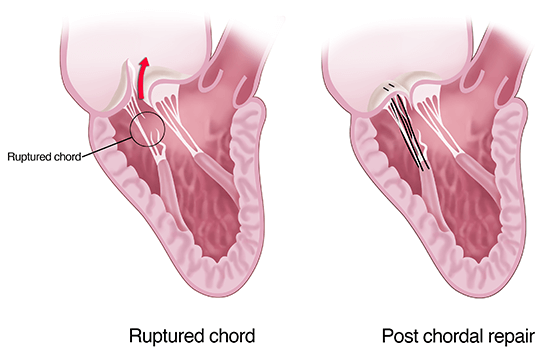
Severe mitral regurgitation may require surgical or transcatheter intervention depending on patient suitability and clinical assessment.
Benefits
- Reduces mitral valve leakage
- Improves heart pumping efficiency
- Relieves breathlessness and fatigue
- Prevents progression of heart failure
- Enhances overall quality of life
Treatment Steps
Consultation
Comprehensive evaluation including echocardiography catheterisation and Heart Team review to determine suitability.
Procedure
Surgical repair replacement or catheter based Mitraclip performed based on patient condition and valve anatomy.
Recovery
Post procedure monitoring medication management and structured follow up for long term valve performance.
Other Services
-
Advanced Mitral Valve Therapy
Comprehensive evaluation and minimally invasive solutions for severe mitral regurgitation.
FAQ
Frequently Asked Questions
We have addressed common questions related to mitral regurgitation treatment surgical repair Mitraclip eligibility and recovery expectations to help patients make informed and confident treatment decisions.
Medications may control symptoms and manage heart failure but degenerative mitral regurgitation often requires surgical or transcatheter intervention when symptoms persist despite optimal medical therapy.
Mitraclip is a minimally invasive catheter based technique that reduces mitral valve leakage without open heart surgery.
Patients with severe symptomatic mitral regurgitation who are high surgical risk may be considered after detailed imaging and Heart Team evaluation.
Surgical repair or replacement remains a standard treatment option especially for suitable low risk patients.
Recovery is typically shorter than surgery with gradual return to normal activities under cardiologist supervision.