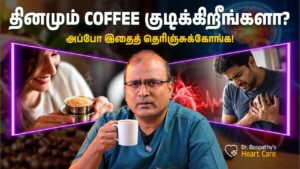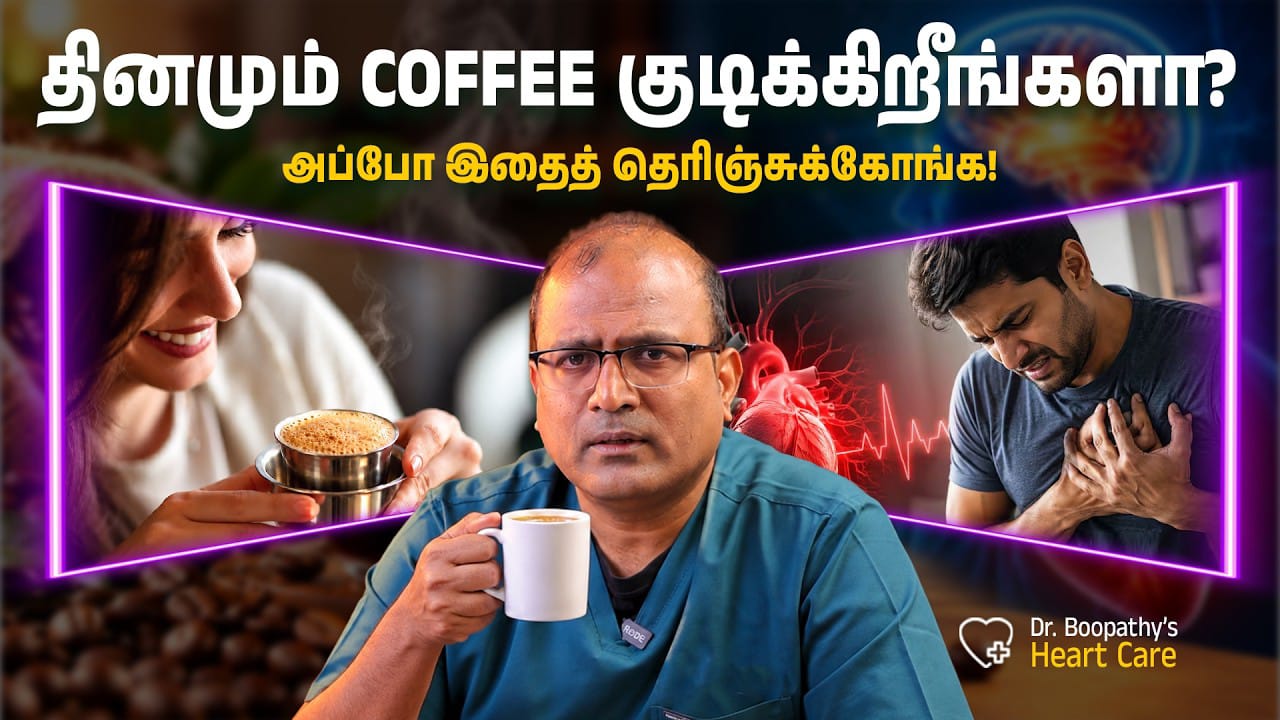
What you should know about caffeine, blood pressure, palpitations, cholesterol and how much coffee may be too much
For many people, the day does not really begin until the first cup of coffee.
Some drink one cup in the morning. Others have another at work, one after lunch, and perhaps another in the evening.
Then a common question arises:
“Doctor, is drinking coffee every day bad for my heart?”
Another patient may ask:
“I have high blood pressure. Should I completely stop coffee?”
And someone who feels occasional palpitations may wonder:
“Is caffeine damaging my heart?”
The answer is not simply “coffee is good” or “coffee is bad.”
For most adults, moderate coffee consumption can be part of a healthy lifestyle. Current evidence does not suggest that ordinary amounts of caffeinated coffee increase cardiovascular risk in most people.
In fact, several large studies have associated moderate coffee consumption with lower rates of some cardiovascular and metabolic conditions.
But that does not mean unlimited coffee is healthy.
The effect depends on:
- How much caffeine you consume
- How your individual body responds
- How the coffee is prepared
- How much sugar, cream or syrup is added
- Whether you have high blood pressure
- Whether caffeine causes palpitations
- Whether it interferes with sleep
- Whether your caffeine comes from coffee or high-dose energy drinks
In this article, Dr. S. Nagendra Boopathy, Professor of Cardiology and Senior Consultant Interventional Cardiologist in Chennai, explains what happens to your body after drinking coffee, how much caffeine is generally considered reasonable, and who should be more cautious.
First, What Is Caffeine?
Caffeine is a naturally occurring stimulant.
It is found in:
- Coffee
- Tea
- Cola
- Chocolate
- Energy drinks
- Certain sports products
- Some medications and supplements
After you consume caffeine, it is absorbed into the bloodstream and acts mainly by blocking adenosine receptors in the brain.
Adenosine normally helps promote relaxation and sleepiness.
When caffeine blocks its action, you may feel:
- More alert
- More awake
- Less tired
- More focused
Caffeine can also temporarily influence:
- Heart rate
- Blood pressure
- Nervous-system activity
The degree of effect varies enormously from person to person.
Does Coffee Increase Heart Rate?
It can.
Some people notice:
- Slightly faster heartbeat
- Increased alertness
- Mild shakiness
after drinking coffee.
Others can drink several cups without feeling any obvious change.
This difference is influenced by:
- Genetics
- Habitual caffeine intake
- Age
- Medications
- Liver metabolism
- Other health conditions
So there is no single amount of coffee that feels exactly the same to everyone.
Does Coffee Increase Blood Pressure?
Caffeine can temporarily increase blood pressure, particularly in people who:
- Rarely consume caffeine
- Are especially caffeine-sensitive
- Consume a large dose at once
People who regularly drink coffee may develop some tolerance to this effect.
However, if you already have hypertension, do not assume that every cup is harmless.
A practical approach is to observe how your blood pressure responds.
For example, if your blood pressure repeatedly rises significantly after coffee, reducing the amount or switching to decaffeinated coffee may be sensible.
Does Coffee Cause High Blood Pressure?
The relationship is more complicated than a simple yes or no.
Moderate habitual coffee consumption has not consistently been shown to cause dangerous hypertension in most adults.
But high caffeine intake can cause temporary elevations, and people with poorly controlled hypertension need to be more cautious.
If you have high blood pressure:
Control the blood pressure first.
Monitor how caffeine affects you.
Avoid very high caffeine doses.
You do not necessarily need to completely stop coffee unless your doctor recommends it or you clearly notice adverse effects.
How Much Caffeine Is Generally Considered Safe?
For most healthy adults, a total caffeine intake of approximately:
Up to 400 mg per day
is generally considered within a safe range.
Depending on how the coffee is prepared, this may correspond roughly to around 3–5 standard cups of brewed coffee.
But this estimate can be misleading if cup sizes are very different.
A large café coffee may contain considerably more caffeine than a small home cup.
So do not count only the number of cups.
Think about the:
- Cup size
- Strength
- Brewing method
- Number of servings
- Other caffeine consumed during the day
One Cup Is Not Always One Cup
This is particularly important.
A small cup of coffee at home is very different from a large café drink.
Caffeine content can vary substantially depending on:
- Bean type
- Roast
- Brewing time
- Serving size
- Espresso shots
A person may say:
“I drink only three coffees.”
But if each contains multiple espresso shots, the total caffeine intake may be much higher than expected.
Is 5 Cups of Coffee Safe?
For some healthy adults, it may still fall within the typical caffeine limit depending on the strength and serving size.
For others, five cups may cause:
- Palpitations
- Trembling
- Anxiety
- Acidity
- Sleep disturbance
- Blood-pressure elevation
So “safe” should not be interpreted only as a number.
Your body’s response matters.
Is Coffee Good for the Heart?
Current research is actually reassuring for moderate coffee drinkers.
Moderate caffeinated coffee consumption has been associated in observational studies with lower risks of several conditions, including:
- Coronary heart disease
- Stroke
- Heart failure
- Type 2 diabetes
Coffee contains many compounds other than caffeine, including substances with antioxidant and anti-inflammatory properties.
However, these studies mainly show associations.
They do not mean doctors should prescribe coffee as a treatment for heart disease.
If you do not drink coffee, there is no need to start drinking it for cardiovascular protection.
Coffee Is Not Heart Medicine
This distinction is important.
A cup of coffee cannot replace:
- Statins
- Blood-pressure medication
- Diabetes treatment
- Exercise
- Smoking cessation
- Appropriate diet
If you already enjoy coffee and tolerate it well, moderate intake can generally fit into a healthy lifestyle.
But coffee should not be treated as a cardiovascular medicine.
Can Coffee Cause a Heart Attack?
Moderate coffee intake is not generally considered a direct cause of heart attack in healthy adults.
Heart attacks are usually related to underlying coronary artery disease and plaque disruption.
Important risk factors include:
- High LDL cholesterol
- Diabetes
- High blood pressure
- Smoking
- Family history
- Obesity
Very high doses of caffeine, however, can produce significant cardiovascular stress in susceptible individuals.
This is particularly relevant with:
- Energy drinks
- Caffeine shots
- Caffeine powders
- High-dose pre-workout supplements
These should not be treated as equivalent to ordinary coffee.
Coffee vs Energy Drinks: They Are Not the Same
This is one of the most important distinctions.
A normal cup of coffee contains caffeine within a familiar food or beverage matrix.
Energy drinks may contain:
- Much higher caffeine concentrations
- Multiple stimulants
- Large amounts of sugar
- Other activating ingredients
Consuming several energy drinks rapidly can produce a much larger stimulant load.
Potential effects include:
- Significant blood-pressure elevation
- Palpitations
- Tremor
- Anxiety
- Abnormal heart rhythms
High-dose caffeine exposure deserves much more caution than moderate coffee consumption.
Can Coffee Cause Palpitations?
Yes, in some people.
Caffeine may make you more aware of your heartbeat or increase certain extra beats.
Symptoms may include:
- Fluttering
- Skipped beat sensation
- Thumping heartbeat
- Fast heartbeat
If this happens repeatedly after coffee, try reducing caffeine.
However, do not automatically assume every palpitation is caused by coffee.
Recurrent palpitations may be caused by:
- Atrial fibrillation
- Premature beats
- Thyroid problems
- Anaemia
- Electrolyte problems
- Other arrhythmias
If symptoms are persistent, prolonged or associated with dizziness or fainting, seek medical assessment.
Does Coffee Cause Atrial Fibrillation?
This is an interesting area where old advice has changed.
For years, patients with atrial fibrillation were often routinely told to stop coffee.
Current evidence does not show that moderate coffee consumption consistently increases atrial fibrillation risk in most people.
Some recent research has even suggested no increased risk—or potentially lower risk—with moderate intake.
However:
Individual response still matters.
If you clearly notice atrial fibrillation episodes or significant palpitations after caffeine, limiting it may be appropriate.
What Are PVCs?
PVC stands for:
Premature Ventricular Contraction.
These are early beats arising from the lower chambers of the heart.
They may feel like:
- A skipped beat
- A sudden thump
- A pause followed by a stronger beat
Caffeine may increase PVC frequency in some people.
Most occasional PVCs are not dangerous in otherwise healthy hearts.
But frequent PVCs should be evaluated when appropriate.
When Are Palpitations More Concerning?
Seek medical evaluation if palpitations are associated with:
- Fainting
- Severe dizziness
- Chest pain
- Significant breathlessness
- Very rapid sustained heartbeat
- Previous heart disease
Do not simply stop coffee and assume the problem has been solved.
Can People With a Heart Stent Drink Coffee?
In many cases:
Yes.
Having a coronary stent does not automatically mean you must stop coffee forever.
If:
- Blood pressure is controlled
- You do not have problematic arrhythmias
- You tolerate caffeine well
moderate coffee may be acceptable.
Your cardiologist may recommend reducing caffeine if you have a particular rhythm or blood-pressure issue.
Can Someone Who Had a Heart Attack Drink Coffee?
Many stable patients eventually can.
The decision depends on:
- Recovery
- Heart function
- Blood pressure
- Rhythm problems
- Other medical conditions
Immediately after an acute cardiac event, follow the treating team’s advice.
Do not make major dietary changes based on general online advice.
Can Heart-Failure Patients Drink Coffee?
Many stable heart-failure patients can consume moderate caffeine.
But treatment must be individualised.
Heart-failure patients may also have:
- Fluid restrictions
- Arrhythmias
- Kidney problems
- Blood-pressure problems
These considerations may be more important than coffee itself.
Does Coffee Increase Cholesterol?
Coffee preparation matters.
Coffee contains substances called diterpenes, including cafestol, which can increase LDL cholesterol.
These substances are more prominent in certain forms of unfiltered coffee.
Examples can include:
- French press
- Turkish-style coffee
- Boiled coffee
- Some espresso preparations
Paper filtration removes much of these compounds.
Instant coffee and paper-filtered coffee generally contain lower levels.
If you consume large amounts of unfiltered coffee and have high LDL cholesterol, preparation method is worth discussing.
Is Filter Coffee Better?
The answer depends on what you mean by “filter.”
A paper-filtered coffee removes more cholesterol-raising diterpenes than some methods that use metal filters.
The bigger issue is your overall intake and preparation style.
If you have very high LDL and drink several strong coffees every day, switching preparation methods may be worth considering.
What About South Indian Filter Coffee?
South Indian filter coffee is often prepared using a metal filter and then mixed with milk.
For many people, one or two modest cups fit comfortably into a healthy diet.
But the health effect depends not only on coffee.
Ask what else goes into the cup:
How much sugar?
How much milk?
How large is the serving?
How many times per day?
A strongly sweetened coffee consumed five times every day is nutritionally different from a small unsweetened coffee.
The Real Problem May Be What You Add to Coffee
Coffee itself may contain very few calories.
But coffee can become a dessert.
Consider drinks containing:
- Several teaspoons of sugar
- Sweetened condensed milk
- Flavoured syrup
- Whipped cream
Regular consumption can add substantial:
- Sugar
- Calories
- Saturated fat
This may contribute to:
- Weight gain
- High triglycerides
- Diabetes
So when someone asks:
“Is coffee healthy?”
we should also ask:
“What exactly are you putting into it?”
Is Black Coffee Better?
Black coffee avoids added:
- Sugar
- Cream
- Syrups
That can make it a lower-calorie option.
But this does not mean everyone has to drink coffee black.
A modest amount of milk can fit within a healthy diet.
The important thing is to avoid turning every cup into a high-sugar beverage.
Does Coffee Cause Diabetes?
Moderate habitual coffee consumption has actually been associated with a lower risk of developing type 2 diabetes in several studies.
This does not mean coffee treats diabetes.
And if your coffee contains large amounts of sugar, the situation changes.
A diabetic patient should focus on the overall drink rather than simply the coffee component.
Can Diabetic Patients Drink Coffee?
Generally, yes.
But individual responses differ.
Caffeine can temporarily influence blood sugar in some people.
If you have diabetes:
- Avoid excessive added sugar
- Monitor how coffee affects your glucose
- Keep overall caffeine moderate
Your diabetes plan remains much more important than the coffee itself.
Coffee and Sleep: An Important Heart Connection
One of the most overlooked problems with coffee is not necessarily the heart rate.
It is sleep.
Caffeine can remain active in the body for several hours.
A coffee consumed late in the evening may interfere with:
- Falling asleep
- Deep sleep
- Overall sleep quality
Poor sleep can then affect:
- Blood pressure
- Appetite
- Blood sugar
- Stress
So even if coffee itself is not directly harming your heart, drinking it too late may indirectly affect cardiovascular health by disrupting sleep.
“I Can Drink Coffee at Night and Still Sleep.”
Some people say this.
They may genuinely fall asleep.
But falling asleep does not always mean sleep quality is unaffected.
If you:
- Wake frequently
- Feel tired in the morning
- Need more caffeine to function
consider reducing late-day caffeine for a few weeks and see whether sleep improves.
How Late Should You Drink Coffee?
There is no universal cutoff.
People metabolise caffeine at different speeds.
As a practical approach, people with sleep difficulty may benefit from avoiding caffeine for several hours before bedtime—often from the late afternoon onward.
Experiment based on your response.
Can Coffee Cause Anxiety?
Yes.
High caffeine intake can cause:
- Restlessness
- Tremor
- Racing thoughts
- Anxiety
- Palpitations
Sometimes people become worried that these sensations represent heart disease.
Reducing caffeine may help.
But genuine cardiac symptoms should still be evaluated rather than automatically labelled as anxiety.
Can Coffee Cause Acidity?
Yes.
Coffee can aggravate:
- Reflux
- Gastritis symptoms
- Heartburn
in susceptible individuals.
Interestingly, heart-related chest discomfort and acidity can sometimes feel similar.
If you have new exertional chest pressure or unexplained discomfort, do not repeatedly assume:
“It is only coffee acidity.”
Particularly when accompanied by:
- Sweating
- Breathlessness
- Arm or jaw discomfort
cardiac evaluation may be necessary.
What About Decaffeinated Coffee?
Decaf coffee contains much less caffeine, although it is not necessarily completely caffeine-free.
It can be a useful option for people who:
- Enjoy coffee
- Develop palpitations with caffeine
- Have difficulty sleeping
- Are particularly caffeine-sensitive
Many of the non-caffeine compounds naturally present in coffee remain in decaffeinated coffee.
Can Pregnant Women Drink Coffee?
Pregnancy requires a lower caffeine limit than the usual adult recommendation.
Pregnant women are generally advised to keep total caffeine intake relatively low and should follow their obstetrician’s guidance.
Remember that caffeine also comes from:
- Tea
- Chocolate
- Cola
- Energy drinks
not just coffee.
Who Should Be More Careful With Caffeine?
Consider reducing intake and discussing it with your doctor if you have:
- Poorly controlled hypertension
- Recurrent palpitations
- Certain arrhythmias
- Severe anxiety
- Persistent insomnia
- Significant caffeine sensitivity
Pregnancy also requires more restricted intake.
Signs You May Be Drinking Too Much Coffee
Your body often gives clues.
These can include:
- Shaky hands
- Racing heartbeat
- Palpitations
- Anxiety
- Restlessness
- Headaches
- Poor sleep
- Stomach irritation
- Dependence on repeated caffeine just to remain awake
If this sounds familiar, more coffee is probably not the solution.
Can You Become Dependent on Caffeine?
Yes.
Regular caffeine use can produce physical dependence.
If someone suddenly stops after consuming large amounts every day, they may experience:
- Headache
- Fatigue
- Irritability
- Difficulty concentrating
These withdrawal symptoms are usually temporary.
If you want to reduce caffeine, gradually decreasing intake may be easier than abruptly stopping.
Frequently Asked Questions About Coffee and Heart Health
1. Is coffee bad for the heart?
For most adults, moderate coffee consumption is not considered harmful to cardiovascular health.
Individual response and total caffeine intake still matter.
2. How much coffee can I drink daily?
For most healthy adults, total caffeine intake of around 400 mg per day or less is generally considered reasonable.
The actual number of cups depends on size and strength.
3. Is 2 cups of coffee a day safe?
For most healthy adults, two ordinary cups are generally well within typical caffeine limits.
4. Is 4 cups safe?
It may be for many adults, depending on serving size and caffeine concentration.
Monitor for palpitations, sleep disturbance and blood-pressure effects.
5. Does coffee increase blood pressure?
Caffeine can temporarily raise blood pressure, particularly in sensitive or infrequent users.
6. Can hypertensive patients drink coffee?
Many can.
If your blood pressure is poorly controlled or rises significantly after caffeine, reducing intake may be appropriate.
7. Can coffee cause a heart attack?
Moderate coffee intake is not considered a direct cause of heart attack in most adults.
Very high stimulant intake is a different situation.
8. Can coffee cause palpitations?
Yes, particularly in caffeine-sensitive people.
9. Should I stop coffee if I feel palpitations?
Try reducing caffeine, but recurrent or significant palpitations should still be medically evaluated.
10. Does coffee cause atrial fibrillation?
Moderate intake has not consistently been shown to increase AF risk in most people.
Individual triggers can vary.
11. Can coffee cause skipped heartbeats?
Caffeine may increase premature beats in some individuals.
Occasional skipped beats are often benign, but frequent symptoms deserve assessment.
12. Can someone with a stent drink coffee?
Often yes, in moderation, provided there are no other medical reasons to restrict caffeine.
13. Can I drink coffee after bypass surgery?
Many patients eventually can.
Follow your treating team’s advice during recovery.
14. Can heart-failure patients drink coffee?
Stable patients may be able to, but the decision should consider rhythm, blood pressure, fluid management and other conditions.
15. Does coffee increase LDL cholesterol?
Certain unfiltered coffee preparations can increase LDL because of compounds such as cafestol.
16. Which coffee is better if cholesterol is high?
Paper-filtered or instant coffee generally contains lower levels of cholesterol-raising diterpenes than some unfiltered preparations.
17. Is black coffee healthier?
It avoids added sugars and high-calorie ingredients.
That can make it a good option, but black coffee is not compulsory for good health.
18. Is coffee with milk unhealthy?
Not necessarily.
The amount and type of milk, overall calories and added sugar matter.
19. Is sugar in coffee the real problem?
For someone drinking multiple sweetened coffees daily, added sugar can become a significant source of unnecessary calories.
20. Can diabetic patients drink coffee?
Usually yes, but added sugar should be minimised and glucose response monitored where appropriate.
21. Does coffee protect against diabetes?
Habitual coffee consumption has been associated with lower type 2 diabetes risk in research, but coffee is not a diabetes-prevention treatment by itself.
22. Is decaf coffee safe for the heart?
Generally yes.
It can be particularly useful for caffeine-sensitive individuals.
23. Does coffee dehydrate you?
Normal moderate coffee consumption generally does not cause dangerous dehydration in habitual users.
Water should still remain your primary source of hydration.
24. Should I drink coffee before exercise?
Some people use caffeine to improve alertness or exercise performance.
But someone with cardiovascular disease or caffeine-related palpitations should discuss high-dose pre-workout caffeine with their doctor.
25. Are caffeine supplements safer than coffee?
Not necessarily.
Concentrated caffeine products can deliver large doses rapidly and deserve more caution.
26. Are energy drinks the same as coffee?
No.
They may contain considerably higher stimulant concentrations and other ingredients and are associated with greater cardiovascular concern at high doses.
27. Can teenagers drink energy drinks?
High-caffeine energy drinks are generally not a good choice for children and adolescents.
28. Can coffee affect sleep even if I fall asleep easily?
Yes.
Caffeine can potentially affect sleep quality even when someone can still fall asleep.
29. Is morning the best time to drink coffee?
For many people, morning or earlier daytime intake is preferable because it is less likely to interfere with nighttime sleep.
30. What is the most important rule about coffee?
Moderation and individual response matter more than whether coffee is labelled “good” or “bad.”
If moderate coffee fits into your lifestyle without causing:
- Palpitations
- Uncontrolled blood pressure
- Anxiety
- Sleep disturbance
there is usually no reason for most adults to fear it.
A Simple Coffee-and-Heart Checklist
Before drinking another cup, ask yourself:
How many cups have I already had today?
How strong are they?
Am I adding a lot of sugar?
Is coffee affecting my sleep?
Do I experience palpitations afterward?
Is my blood pressure controlled?
Am I drinking coffee—or relying on energy drinks and caffeine shots?
These questions matter more than simply asking:
“Is coffee healthy?”
Final Takeaway
Coffee is one of the world’s most commonly consumed beverages, and for most adults, moderate intake can comfortably fit within a heart-healthy lifestyle.
You do not need to stop coffee simply because someone told you caffeine is “bad for the heart.”
At the same time:
More is not always better.
Pay attention to:
- Total caffeine intake
- Blood pressure
- Palpitations
- Sleep
- Sugar added to the drink
- Coffee preparation method
And remember:
Ordinary coffee is not the same as a high-dose energy drink.
If one or two cups of coffee help you enjoy your morning and cause no problems, there is usually little reason for alarm.
But if you need repeated cups simply to stay awake, develop palpitations after caffeine, have uncontrolled blood pressure, or cannot sleep at night, your coffee habit deserves another look.
The best question is not:
“Is coffee good or bad?”
It is:
“How much coffee is appropriate for me?”
That answer depends on your health, your heart, your sleep—and how your individual body responds.
Consult Dr. S. Nagendra Boopathy
Dr. S. Nagendra Boopathy
MBBS – Madras Medical College
MD – PGIMER, Chandigarh
DM (Cardiology) – AIIMS, New Delhi
PhD (Cardiology), FACC, FSCAI
Professor of Cardiology
Senior Consultant Interventional Cardiologist
Complex Coronary & Structural Heart Interventions
Dr. Boopathy Heart Care
6th Cross Street
Director’s Colony
Kodambakkam
Chennai – 600024
Appointment / Contact
+91 87544 98680
Alternate Clinic Contact: +91 73585 60284
Sri Ramachandra Medical Centre
No. 1, Ramachandra Nagar
Porur
Chennai – 600116
Tamil Nadu
Hospital Enquiries
044-4592 8844 / 044-4592 8855
044-4001 2323
Emergency Services
044-400 12345
Medical Disclaimer: This article is intended for general education and awareness only. Individual tolerance to caffeine varies according to age, genetics, blood pressure, medications, pregnancy, rhythm disorders and other medical conditions. Do not stop prescribed cardiac medication or make major dietary changes based solely on general information. Persistent palpitations, chest discomfort, fainting or sudden breathlessness require appropriate medical evaluation.