Rotablation
- Home
- Rotablation
Description
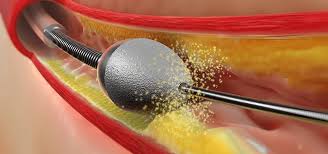
Rotablation (Rotational Atherectomy) is a complex coronary intervention technique used in patients with heavily calcified coronary arteries. It involves an olive shaped device coated with microscopic diamond spicules that rotates at very high speeds within the artery to modify hardened calcium deposits.
This modification allows optimal stent delivery and full stent expansion, improving lumen gain and restoring adequate blood flow to the heart muscle. With advanced technical expertise, Dr. S. Nagendra Boopathy performs this procedure effectively. He also conducts proctoring across Tamil Nadu and India, sharing skills and knowledge to help other cardiologists adopt this advanced technology for appropriate patients.
Key Benefits Of Rotablation
Rotablation enables effective treatment of severely calcified coronary lesions, improving procedural success and long term stent outcomes in complex coronary artery disease.
- Improves stent delivery in calcified arteries
- Enhances optimal stent expansion and lumen gain
- Restores better coronary blood flow
- Useful in complex coronary interventions
- Supports successful long term outcomes
Treatment Steps
Consultation
Clinical evaluation, angiographic assessment, and identification of heavily calcified coronary lesions.
Procedure
High speed rotational atherectomy performed to modify calcified plaque followed by stent implantation.
Recovery
Post procedure monitoring, medication optimisation, and structured cardiac follow up care.
Other Services
-
Advanced Coronary Care
Expert management of complex calcified coronary artery disease using specialised interventional techniques.
FAQ
Frequently Asked Questions
We have addressed common questions related to heart conditions procedures consultations safety and recovery to confirm patients make informed confident cardiovascular decisions under expert interventional cardiology care.
Rotablation is performed following strict evidence based cardiology protocols using advanced equipment careful patient selection and experienced operator skills ensuring procedural safety optimal stent expansion and improved long term coronary outcomes.
Rotablation is recommended for patients with severely calcified coronary arteries where standard balloon angioplasty may not adequately prepare the vessel for proper stent delivery and complete expansion.
Recovery depends on patient condition and procedural complexity most patients are monitored after the intervention and gradually resume daily activities under medical supervision medication support and structured follow up care.
Yes Rotablation uses high speed rotational technology to modify hardened calcified plaque making stent delivery easier and more effective compared to routine angioplasty alone in complex coronary lesions.
Dr S Nagendra Boopathy performs complex coronary interventions including Rotablation and also provides proctoring training to other cardiologists across Tamil Nadu and India to support advanced technology adoption.