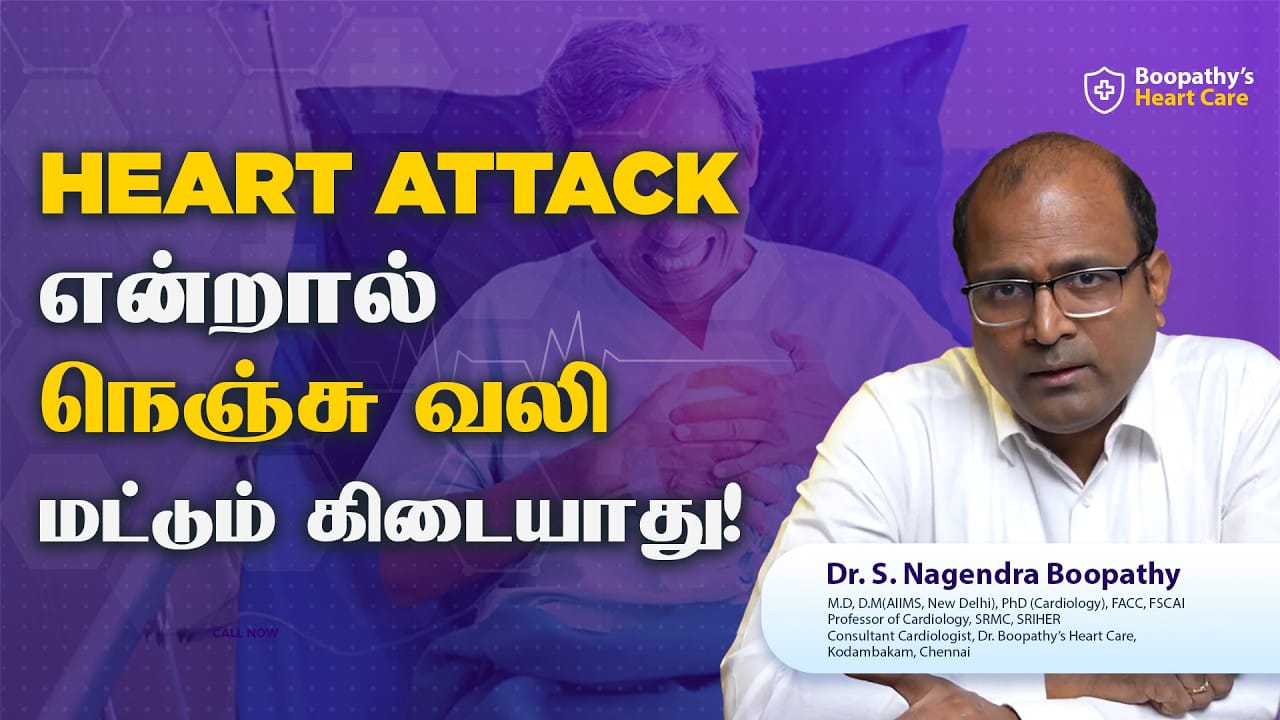
Severe, crushing chest pain.
But heart attacks do not always present that way.
Some patients may experience only mild discomfort. Others may have breathlessness, sweating, nausea, unusual tiredness, jaw discomfort, back pain, or simply a feeling that “something is not right.”
In a smaller group of patients, especially those with diabetes, older adults and some women, a heart attack may occur with very little or even no obvious chest pain. This is sometimes referred to as a silent or atypical heart attack.
Recognising these unusual warning signs is extremely important because delayed treatment can result in permanent damage to the heart muscle.
In this article, Dr. S. Nagendra Boopathy, Consultant Interventional Cardiologist in Chennai, explains why heart attacks do not always cause crushing chest pain, who is more likely to develop silent symptoms, what warning signs should be taken seriously and how such events may be prevented.
What Happens During a Heart Attack?
A heart attack, medically called a myocardial infarction, usually occurs when blood flow through one of the coronary arteries supplying the heart becomes severely reduced or completely blocked.
The coronary arteries supply oxygen-rich blood to the heart muscle.
When an artery suddenly becomes blocked, the affected heart muscle does not receive enough oxygen.
If blood flow is not restored quickly, heart muscle cells can begin to become permanently damaged.
This is why a heart attack is considered a medical emergency.
The longer the heart remains without adequate blood supply, the greater the potential damage.
Why Does a Heart Attack Usually Cause Chest Pain?
The heart muscle contains nerve endings that respond to reduced oxygen supply and tissue injury.
When the heart is deprived of adequate blood flow, these nerves can send pain signals to the brain.
That discomfort is commonly felt as:
- Pressure
- Tightness
- Heaviness
- Squeezing
- Burning
- Crushing discomfort
However, pain from the heart does not always remain in the centre of the chest.
The brain may interpret the nerve signals as coming from other areas of the body.
This is why heart-related pain can sometimes be felt in the:
- Left arm
- Right arm
- Both arms
- Shoulder
- Neck
- Jaw
- Upper abdomen
- Back
Myth: “A Heart Attack Always Causes Severe Chest Pain”
This is false.
Chest pain is certainly one of the most common symptoms of a heart attack.
But it is not present in every patient.
Some heart attacks produce only:
- Mild discomfort
- Pressure rather than pain
- Breathlessness
- Sweating
- Weakness
- Nausea
- Dizziness
- Unexplained tiredness
This is particularly important because patients may delay seeking care when their symptoms do not resemble the dramatic heart attacks they have seen in movies.
What Does Typical Heart Attack Chest Pain Feel Like?
Heart attack symptoms can vary, but many patients describe a sensation of:
- Heavy pressure over the chest
- Tightness
- Squeezing
- A weight sitting on the chest
- Burning
- Severe discomfort
- Fullness in the chest
The discomfort may last several minutes, disappear and return, or gradually worsen.
It may occur at rest or during activity.
Where Can Heart Attack Pain Spread?
Heart-related discomfort may radiate or spread to other areas.
Common locations include:
Left Arm
Pain travelling from the chest toward the left shoulder or arm is a well-known symptom.
Both Arms
Heart attack discomfort can sometimes affect both arms rather than only the left.
Jaw
Some patients experience discomfort near the jaw or lower face.
Neck
Pressure or discomfort may extend upward toward the neck.
Back
Upper back discomfort, particularly when associated with breathlessness or sweating, can occasionally be cardiac in origin.
Upper Abdomen
Some patients mistake heart-related symptoms for indigestion, acidity or stomach problems.
What Are Atypical Heart Attack Symptoms?
Symptoms that occur without obvious chest pain are sometimes called anginal equivalents.
These symptoms can occur because the heart is still not receiving enough oxygen even though the patient does not experience typical chest discomfort.
Important symptoms include:
1. Sudden Shortness of Breath
Unexpected breathlessness can be an important warning sign.
A person may suddenly feel:
- Unable to take a deep breath
- Short of breath while walking
- Breathless even while resting
- Unable to perform usual activities
New breathlessness in a patient with cardiovascular risk factors should not be ignored.
2. Unusual Sweating
A heart attack may activate the body’s stress response.
Patients may experience:
- Cold sweating
- Profuse sweating
- Sweating without physical exertion
If sweating occurs together with weakness, breathlessness, nausea or chest discomfort, urgent evaluation may be required.
3. Nausea or Vomiting
Heart attacks can sometimes produce symptoms that appear gastrointestinal.
Patients may mistakenly think they have:
- Food poisoning
- Acidity
- Gastritis
- Indigestion
Nausea or vomiting accompanied by sweating, weakness or breathlessness deserves particular attention in someone with heart-risk factors.
4. Palpitations
Some patients notice:
- A racing heartbeat
- Pounding in the chest
- Irregular heartbeat
- Fluttering sensations
Palpitations are not always caused by a heart attack, but when they occur with dizziness, sweating, breathlessness or chest discomfort, medical evaluation is important.
5. Unusual Fatigue
One of the easiest symptoms to dismiss is unexplained tiredness.
A patient may simply say:
“I don’t feel like myself today.”
or:
“I am unusually tired even though I haven’t done anything.”
Sudden or unexplained fatigue may occasionally accompany a cardiac event, particularly in people with diabetes or other major risk factors.
6. A General Feeling That Something Is Wrong
Some patients cannot identify one specific symptom.
They may describe:
- Restlessness
- Weakness
- Uneasiness
- Feeling abnormal
- Feeling “different”
- An unexplained sense that something is wrong
These symptoms are not specific to heart disease.
However, in someone with cardiovascular risk factors, particularly if the sensation is new and associated with sweating, breathlessness or weakness, it deserves attention.
What Is a Silent Heart Attack?
A silent heart attack is a heart attack that occurs with little or no typical chest pain.
The heart muscle is still injured, but the symptoms may be so mild or unusual that the patient does not realise a heart attack has occurred.
Some patients discover the previous heart attack only later during investigations such as:
- ECG
- Echocardiography
- Other cardiac imaging
- Tests performed for another reason
They may be surprised to learn that part of the heart has already been damaged.
Who Is More Likely to Have a Silent Heart Attack?
Although a silent heart attack can happen to anyone, certain groups deserve particular attention.
1. People With Diabetes
Diabetes is one of the most important conditions associated with atypical or reduced pain perception.
Long-standing uncontrolled diabetes can damage nerves throughout the body.
This condition is called diabetic neuropathy.
If the nerves responsible for transmitting pain from the heart are affected, a patient may experience less obvious chest pain during a heart attack.
This is one reason people with diabetes need to be especially cautious about symptoms such as:
- Breathlessness
- Sweating
- Fatigue
- Nausea
- Reduced exercise capacity
even when chest pain is absent.
2. Older Adults
Older adults may not always present with classic heart attack symptoms.
Instead, they may develop:
- Sudden weakness
- Breathlessness
- Confusion
- Dizziness
- Fatigue
- Collapse
Families should not assume that such symptoms are simply due to age.
3. Women
Women can certainly experience classic chest pain during a heart attack.
However, some women may experience less typical symptoms such as:
- Breathlessness
- Nausea
- Back discomfort
- Jaw discomfort
- Fatigue
- Sweating
- Dizziness
This can sometimes result in delayed diagnosis.
4. People With Chronic Kidney Disease
Patients with kidney disease frequently have multiple cardiovascular risk factors and may sometimes develop unusual or less typical symptoms.
Because cardiovascular disease is common in this group, unexplained symptoms should be assessed appropriately.
Why Diabetes Is Particularly Important
Diabetes does not simply increase blood sugar.
Over time, uncontrolled diabetes can affect:
- Blood vessels
- Nerves
- Kidneys
- Eyes
- Heart
High blood sugar can accelerate atherosclerosis, the process in which fatty plaques develop inside arteries.
At the same time, nerve damage may reduce the warning pain normally associated with reduced blood flow to the heart.
This creates a dangerous combination:
Higher risk of heart disease + fewer obvious warning symptoms.
South Asians and Cardiovascular Risk
People of South Asian ancestry, including Indians, have a significant burden of:
- Type 2 diabetes
- High cholesterol
- Abdominal obesity
- High blood pressure
- Coronary artery disease
These conditions can develop at relatively younger ages.
Therefore, Indians should not wait until symptoms develop before thinking about cardiovascular health.
Prevention should begin by understanding your own risk factors.
Know Your Numbers
One of the simplest strategies for preventing heart disease is to know your important health numbers.
These include:
Blood Pressure
High blood pressure can remain silent for years while damaging arteries and the heart.
Blood Sugar
Know whether your fasting glucose and HbA1c are within a healthy range.
LDL Cholesterol
LDL is commonly referred to as “bad cholesterol” because high levels contribute to plaque formation.
HDL Cholesterol
HDL is one component of the overall cholesterol profile.
Triglycerides
Elevated triglycerides can also be associated with metabolic and cardiovascular risk.
Body Weight and Waist Circumference
Excess abdominal fat is particularly associated with diabetes and cardiovascular disease.
Why Blood Sugar Control Matters
Poor blood sugar control increases the risk of:
- Coronary artery disease
- Kidney disease
- Nerve damage
- Stroke
- Peripheral vascular disease
Patients with diabetes should not focus only on whether their sugar is “slightly high.”
Long-term glucose control matters.
Follow your doctor’s advice regarding:
- Diet
- Exercise
- Medication
- HbA1c targets
- Blood pressure
- Cholesterol management
Food Choices and Heart Health
Diet plays an important role in both diabetes and cardiovascular disease.
A healthy diet should include more:
- Vegetables
- Whole fruits
- Whole grains
- Fibre-rich foods
- Pulses
- Beans
- Nuts
- Seeds
- Appropriate lean protein
and less:
- Refined sugar
- Sugary beverages
- Deep-fried food
- Highly processed foods
- Excess refined carbohydrates
- Excessive salt
- Trans fats
A Note About Rice and Blood Sugar
Rice forms an important part of the diet for many Indian families.
However, large portions of refined white rice can produce a rapid rise in blood glucose, particularly in people with diabetes or insulin resistance.
This does not mean everyone must completely stop eating rice.
Instead, focus on:
- Portion control
- Adding vegetables
- Including protein
- Increasing fibre
- Choosing less-refined carbohydrate sources when practical
A dietitian can provide individual recommendations.
Exercise and Silent Heart Attack Prevention
Regular physical activity helps improve:
- Insulin sensitivity
- Blood pressure
- Weight
- Cholesterol
- Cardiovascular fitness
- Stress management
Depending on your health, activities can include:
- Walking
- Cycling
- Swimming
- Strength training
- Other aerobic exercise
Patients with established heart disease or significant symptoms should discuss exercise intensity with their cardiologist.
Do Not Ignore a Sudden Drop in Exercise Capacity
Suppose you normally walk 30 minutes comfortably, but suddenly you are:
- Breathless after 10 minutes
- Extremely tired
- Sweating unusually
- Unable to walk your normal distance
Even without chest pain, that change deserves attention.
A sudden decrease in exercise capacity can sometimes be an important cardiovascular warning sign.
How Is a Silent Heart Attack Diagnosed?
If a doctor suspects a heart attack, several investigations may be required.
ECG
An electrocardiogram records the electrical activity of the heart.
It may show changes suggesting:
- An ongoing heart attack
- A previous heart attack
- Abnormal rhythms
However, a single normal ECG does not automatically exclude every cardiac problem.
Cardiac Troponin
Troponin is a blood marker released when heart muscle is injured.
When a heart attack is suspected, doctors may measure cardiac troponin levels.
Echocardiography
An echocardiogram uses ultrasound to assess:
- Heart pumping function
- Movement of the heart walls
- Heart valves
A previous silent heart attack may sometimes leave an area of heart muscle that no longer contracts normally.
Coronary Imaging
Depending on the clinical situation, a cardiologist may recommend tests such as:
- CT coronary angiography
- Conventional coronary angiography
- Stress testing
These tests are not automatically required for everyone and should be selected according to symptoms and risk.
A Previous Silent Heart Attack May Be Discovered Later
Sometimes a patient visits a cardiologist for another reason and investigations show that part of the heart muscle has already been damaged.
Further evaluation may reveal that a coronary artery became blocked sometime in the past.
The patient may then remember an episode such as:
- Severe tiredness
- Breathlessness
- Sweating
- “Indigestion”
- Unexplained weakness
that occurred weeks, months or even years earlier.
This is why awareness of atypical symptoms is important.
Can a Silent Heart Attack Be Prevented?
No strategy can prevent every cardiac event.
But the risk can be significantly reduced by identifying and controlling risk factors early.
Focus on:
- Blood sugar control
- Blood pressure control
- Cholesterol management
- Healthy diet
- Regular exercise
- Avoiding smoking
- Maintaining healthy weight
- Adequate sleep
- Stress management
- Regular medical review when appropriate
When Should You Seek Emergency Care?
Seek urgent medical attention if you develop:
- Severe or persistent chest pressure
- Chest tightness or heaviness
- Sudden breathlessness
- Cold sweating
- Fainting
- Severe unexplained weakness
- Chest discomfort spreading to the arm or jaw
- Sudden unexplained nausea accompanied by sweating
- New concerning symptoms if you have diabetes or known heart disease
Do not drive yourself to the hospital if you are seriously unwell.
Emergency medical care is preferable.
Frequently Asked Questions About Silent Heart Attacks
1. Can I have a heart attack without chest pain?
Yes.
Some patients develop heart attacks with little or no chest pain.
Instead, symptoms may include:
- Breathlessness
- Sweating
- Nausea
- Weakness
- Fatigue
- Jaw discomfort
- Back discomfort
2. What exactly is a silent heart attack?
A silent heart attack is one that occurs without the typical symptoms being recognised at the time.
Heart muscle damage still occurs even though the patient may not experience dramatic chest pain.
3. Does a silent heart attack cause permanent heart damage?
It can.
Just like any other heart attack, interrupted blood supply can damage heart muscle.
The extent of damage depends on the location, severity and duration of the blockage.
4. Who is most at risk of silent heart attack?
Risk may be greater in certain groups, including:
- People with diabetes
- Older adults
- People with existing cardiovascular disease
- Some women
- Patients with multiple cardiovascular risk factors
5. Why do people with diabetes sometimes not feel chest pain?
Long-standing diabetes can damage nerves.
If nerves responsible for transmitting pain signals are affected, a person may not experience the typical warning discomfort from the heart.
6. Is breathlessness alone a sign of heart attack?
It can be, but there are many other causes of breathlessness.
However, sudden or unexplained breathlessness—particularly in a person with diabetes, high cholesterol, hypertension or previous heart disease—should be medically assessed.
7. Can extreme tiredness be a heart attack symptom?
Yes, in some patients.
Sudden unexplained fatigue can occasionally be an atypical cardiac symptom, especially when accompanied by other warning signs.
8. Can back pain be related to a heart attack?
Sometimes.
Heart discomfort can occasionally radiate toward the upper back.
However, most back pain is not caused by the heart.
Seek medical evaluation if the pain is new, severe or associated with chest discomfort, breathlessness or sweating.
9. Can jaw pain indicate a heart problem?
Yes.
Heart-related discomfort can occasionally radiate into the jaw, neck or shoulders.
Jaw discomfort during exertion, particularly with breathlessness or chest pressure, deserves attention.
10. Can heart attack pain occur on the right side?
Yes.
Although left-sided or central chest discomfort is commonly discussed, heart-related pain does not always follow a fixed pattern.
Symptoms may spread to either arm, shoulder, neck, jaw or back.
11. Can acidity feel like a heart attack?
Yes.
Heart-related discomfort can sometimes resemble:
- Indigestion
- Acidity
- Gas
- Burning
Do not repeatedly self-treat new unexplained symptoms as acidity if you have cardiovascular risk factors.
12. How do doctors know whether I had a silent heart attack?
Investigations may include:
- ECG
- Blood tests
- Echocardiography
- Cardiac imaging
- Coronary evaluation
The appropriate tests depend on the individual situation.
13. Can an ECG detect an old heart attack?
Sometimes.
Certain ECG patterns can suggest a previous heart attack, although ECG alone cannot identify every previous cardiac event.
Additional investigations may be necessary.
14. Will an echocardiogram show an old heart attack?
An echocardiogram may show an area of heart muscle that moves abnormally because of previous damage.
However, interpretation should be made together with the patient’s history and other tests.
15. Should everyone with diabetes undergo an angiogram?
No.
An angiogram is not a routine screening test for every person with diabetes.
Testing should be based on:
- Symptoms
- Risk factors
- Examination
- ECG findings
- Other investigations
Your cardiologist can decide which tests are appropriate.
16. Can women have silent heart attacks?
Yes.
Women can develop both classic and atypical heart attack symptoms.
Breathlessness, nausea, unusual fatigue, back pain or jaw discomfort should not automatically be dismissed.
17. Can young people have silent heart attacks?
Yes, though heart attacks are less common in younger adults.
Young people with strong risk factors such as:
- Diabetes
- Smoking
- Severe cholesterol abnormalities
- Obesity
- Strong family history
can still develop coronary disease.
18. Can a healthy-looking person have blocked arteries?
Yes.
Appearance alone cannot tell you whether coronary arteries are healthy.
Someone who is slim and active may still have:
- Genetic high cholesterol
- High blood pressure
- Diabetes
- Family history
19. How can I reduce my risk of a silent heart attack?
Focus on controlling your cardiovascular risk factors:
- Maintain healthy blood sugar
- Control blood pressure
- Manage cholesterol
- Exercise regularly
- Eat a balanced diet
- Avoid smoking
- Maintain healthy weight
- Sleep adequately
- Attend appropriate medical check-ups
20. What are the most important numbers I should know?
At minimum, adults should periodically know:
- Blood pressure
- Fasting glucose or HbA1c where appropriate
- Total cholesterol
- LDL cholesterol
- HDL cholesterol
- Triglycerides
- Weight
- Waist circumference
The frequency of testing depends on your age and risk profile.
Final Takeaway
A heart attack does not always mean crushing chest pain.
Although chest discomfort remains one of the most common warning signs, some patients may experience:
- Breathlessness
- Sweating
- Nausea
- Jaw or back discomfort
- Palpitations
- Unusual fatigue
- A general feeling that something is wrong
This is particularly important for people with diabetes, because long-standing diabetes can affect the nerves responsible for transmitting pain.
Do not wait for dramatic symptoms before taking cardiovascular warning signs seriously.
Know your:
- Blood pressure
- Blood sugar
- Cholesterol
- Family history
- Cardiovascular risk factors
And if you suddenly feel significantly different from normal—especially if you have diabetes or other heart-risk factors—seek medical evaluation early.
Recognising a heart attack early can protect heart muscle and save lives.
Consult Dr. S. Nagendra Boopathy
Dr. S. Nagendra Boopathy
MBBS (MMC), MD (PGIMER), DM (Cardiology – AIIMS), FACC, FSCAI
Senior Consultant – Interventional Cardiology
Advanced Coronary & Structural Heart Disease Interventions
Sri Ramachandra Medical Centre
No. 1, Ramachandra Nagar
Porur, Chennai – 600116
Tamil Nadu, India
Clinic
6th Cross Street
Director’s Colony
Kodambakkam
Chennai – 600024
Appointment / Contact
+91 87544 98680
Sri Ramachandra Medical Centre Enquiries
044-4592 8844 / 044-4592 8855
044-4001 2323
Emergency Services
044-4001 2345
Medical Disclaimer: This article is intended for general educational and awareness purposes only. Symptoms of a heart attack can vary between individuals. If you develop severe or unexplained chest discomfort, breathlessness, sweating, fainting, sudden weakness or other symptoms suggestive of a cardiac emergency, seek urgent medical care rather than relying on online information.